Glycan Profiling
At CD BioGlyco, we leverage over many years of specialized expertise to provide state-of-the-art glycan profiling services, offering unparalleled insights into the intricate world of glycobiology. Our advanced platforms and highly skilled scientific team are dedicated to supporting your research and development initiatives, from fundamental discovery to preclinical research.
Overview
Similar in concept to the genome or proteome, glycome is a complete set of glycans and glycoconjugates generated by a cell or organism under specific conditions. Unlike amino acids in proteins or nucleotides in DNA, the monosaccharide units in glycan chains can be interconnected in many distinct ways, so there is no direct template or standard pattern for their biosynthesis. In addition, the structural diversity of oligosaccharide branches, the increased diversity of complex terminal saccharides, and various chemical modifications such as acetylation, phosphorylation, and sulfation, further increase the structural complexity of glycans. These great structural diversities enable glycans to encode a wide range of information, including cellular signaling, molecular recognition, and immune responses.
Identifying and analyzing the structure, quantity, and function of glycans is challenging. However, in recent years, this task has become easier with the advancement of science and technology and the continuous efforts of researchers. A variety of high-resolution and highly sensitive methods are now available, including mass spectrometry-based methods, high-performance liquid chromatography (HPLC), and lectin-based technologies.
Key Technologies
- Hydrophilic interaction liquid chromatography (HILIC): This is the most common method for separating released glycans. Glycans are polar molecules, and HILIC works by using a polar stationary phase and a non-polar mobile phase. The glycans interact with the polar stationary phase, and their separation is based on their polarity, with more polar glycans eluting later.
- Reverse-phase liquid chromatography (RPLC): The stationary phase is non-polar, and the mobile phase is polar. Separation is based on hydrophobicity, with more hydrophobic glycans eluting later.
- Ion-exchange chromatography (IEC): This technique separates glycans based on their charge. It's particularly useful for analyzing glycans that contain charged sugar residues, like sialic acids.
- Mass spectrometry (MS): After separation, the glycans are introduced into a mass spectrometer, which is the primary tool for identifying and characterizing them. MS provides highly precise information on a glycan's molecular mass and composition.
Advanced Glycan Profiling Services at CD BioGlyco
At CD BioGlyco, our carefully designed glycan analysis workflow encompasses multiple key stages, from sample preparation to data analysis, to ensure high-quality and reproducible results. Each step is optimized to maximize glycan recovery and analytical precision. Our process is as follows:
- Sample Preparation and Glycan Release
We utilize a variety of methods to isolate glycoproteins from serum, cells, tissues, or recombinant proteins. Glycans are then released from their protein backbones using highly specific enzymatic methods (e.g., PNGase F for N-glycans, O-glycosidase for O-glycans) or chemical methods (e.g., reductive β-elimination for O-glycans).
- Glycan Labeling and Purification
The released glycans are derivatized with fluorescent labels (e.g., 2-AB, 2-AA) or MS tags to enhance detection sensitivity. Following labeling, excess reagents and impurities are removed using methods such as solid-phase extraction (SPE) to ensure that only labeled glycans are analyzed.
- Separation and Detection
Separation is performed using high-performance liquid chromatography (HPLC) or ultra-high-performance liquid chromatography (UHPLC) systems. The choice of column and mobile phase depends on the specific glycan type and complexity to ensure optimal resolution of individual glycan structures.
- Data Acquisition and Analysis
MS and fragmentation data are collected and processed using bioinformatics software to identify and quantify individual glycan structures.
Workflow
Case Study
To address the challenges of analyzing complex glycoproteins, CD BioGlyco successfully developed an integrated, dual-mode analytical workflow that enables the concurrent characterization of both N- and O-glycans from a single sample pool. In this study, samples were efficiently homogenized and reduced to expose all glycosylation sites. Utilizing a precise sequential isolation strategy, N-glycans were first enzymatically released using PNGase F and separated from the remaining O-glycoproteins via advanced column purification, while the isolated O-glycoprotein fraction was subsequently subjected to reductive chemical elimination and permethylation to liberate and stabilize the O-glycans.
For downstream high-resolution structural elucidation, the two glycan fractions were analyzed using distinct, optimized MS platforms: native N-glycans were characterized on an MS in negative ion mode, while permethylated O-glycans were profiled on a MALDI-TOF-MS in positive ion mode. Finally, comprehensive data interpretation was executed using data software. This streamlined approach delivered an exhaustive, high-fidelity glycan map with precise structural and branching information, proving to be an invaluable tool for protein characterization.
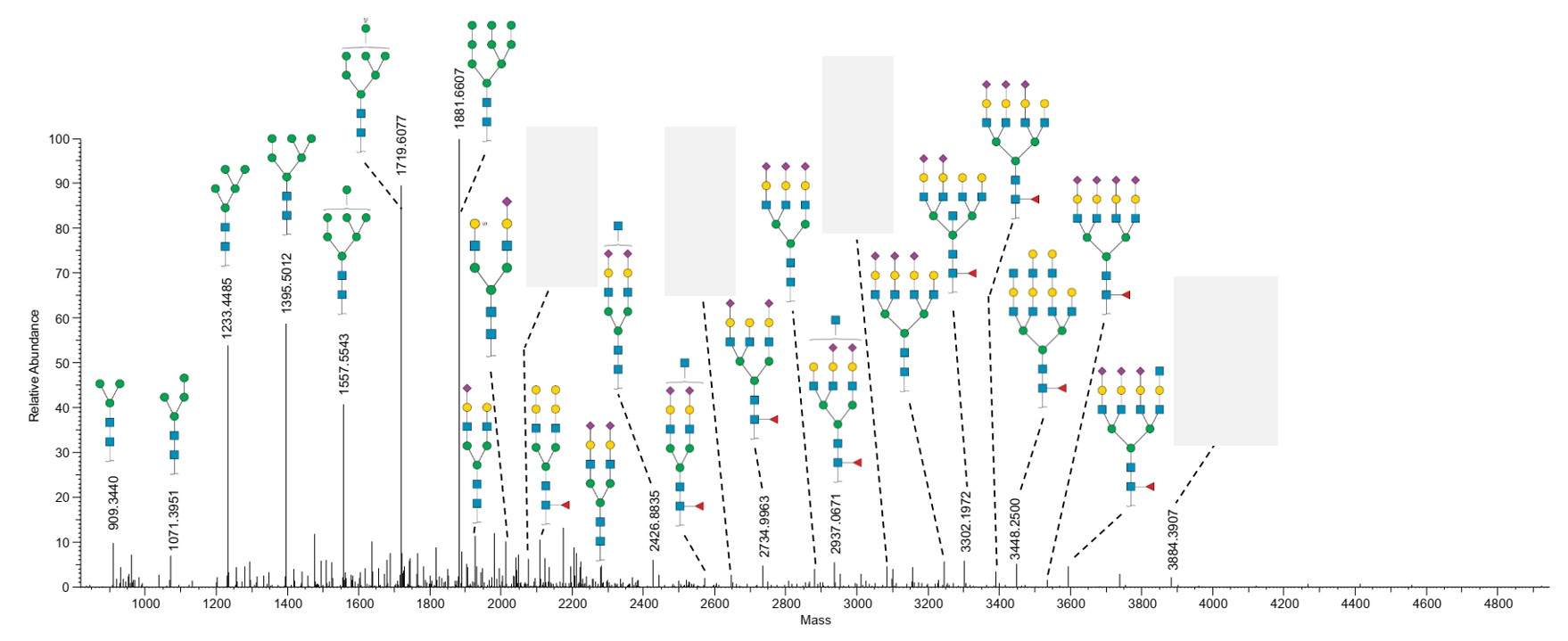
Fig.1 Deconvoluted ESI-MS of sample N-glycans. (CD BioGlyco)
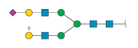
Table 1 Results of N-glycan identified. (CD BioGlyco)
| Observed (native) m/z | Composition | Proposed Structure | Abundance | |
|---|---|---|---|---|
| 2012.70 | (Hex)2 (HexNAc)2 (NeuAc)1 (Sulfate)1 + (Man)3(GlcNAc)2 | ![]() |
1.96% | |
| 2077.77 | (Hex)2 (HexNAc)2 (NeuAc)1 (Deoxyhexose)1 + (Man)3(GlcNAc)2 | ![]() |

1.21% | |
| … | … | … | … | |
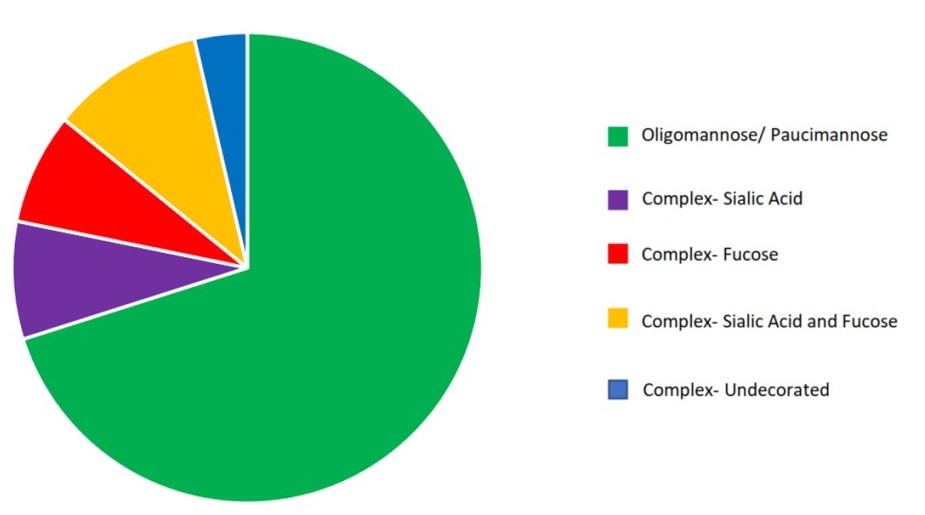
Table 2 N-glycan feature distribution. (CD BioGlyco)
| Glycan Feature | Cancer Sample |
|---|---|
| Oligomannose/ Paucimannose | 69.83% |
| Complex- Sialic Acid | 8.22% |
| Complex- Fucose | 8.87% |
| Complex- Sialic Acid and Fucose | 10.82% |
| Complex-Undecorated | 2.26% |
Publication Data
Journal: Molecules
IF: 4.6
Published: 2021
Results: This study uses capillary electrophoresis (CE) with laser-induced fluorescence detection for N-glycan profiling in type 2 diabetes (T2D) patients' blood. It found N-glycans remained intact after multiple thaw-freeze cycles, with native blood-collection tubes best preserving sialylated structures. Comparisons identified two N-glycans (FA2G1S1 and A2BG2S1) as potential T2D biomarkers, showing 6.4× and 8.2× increases in T2D samples. CE proves efficient for such analysis, offering insights into T2D-related processes, with consistent sample tools vital for comparability.
Applications
- Our team of experienced scientists with deep expertise in glycan profiling ensures meticulous analysis and in-depth interpretation of your data.
- Our state-of-the-art instrumentation ensures exceptional sensitivity, accuracy, and reproducibility when processing samples.
- From sample preparation to data analysis, we adhere to strict procedures at every stage of the workflow, ensuring consistent and reliable results.
- Our services are highly customizable; whether you require high-throughput screening or in-depth structural elucidation, we tailor experimental designs to meet your specific research goals and sample requirements.
Advantages
- Glycan profiling services are used to monitor the consistency and efficacy of the production of therapeutic glycoproteins, including monoclonal antibodies and vaccines.
- Glycan profiling services are used to analyze the role of glycans in intercellular communication, immune regulation, and developmental processes.
- Glycan profiling services are crucial for understanding pathogen glycan structure and designing effective immunogens.
- In food and nutritional science, glycan analysis helps understand the bioactivity of prebiotics and probiotics, as well as the nutritional value of various food ingredients.
Frequently Asked Questions
At CD BioGlyco, our comprehensive glycan profiling services are backed by extensive expertise and advanced technologies designed to accelerate your research discoveries and support your development goals. Please contact us today to discuss how our tailored solutions can help your specific project.
Associated Services
Reference
- Torok, R.; et al. N-glycosylation profiling of human blood in type 2 diabetes by capillary electrophoresis: a preliminary study. Molecules. 2021, 26(21): 6399. (Open Access)
- Glyco™ Synthesis Platform
- Custom Glycoprotein Synthesis
- Custom Glycoside Synthesis
- Custom Glycosyl Donor Synthesis
- Custom Thioglycoside Synthesis
- Custom Phosphatidylinositol Synthesis
- Custom Cyclodextrin Synthesis
- Custom Rhamnolipid Synthesis
- Custom Sphingolipid Synthesis
- Custom Building Block Synthesis
- Carbohydrate Manufacturing
- Synthesis Process Development and Optimization
- Custom Carbohydrate Synthesis
- Custom Glycolipid Synthesis
- Custom Glycopeptide Synthesis
- Custom Glycoconjugate Synthesis
- Custom Sugar-Nucleotide Synthesis
- Nucleoside & Nucleotide Synthesis Service
- Custom Oligonucleotide Synthesis Service
- Polynucleotide Synthesis Service
- Nucleoside & Nucleotide Modification Service
- Oligonucleotide Modification Service
- Nucleoside-based Production Service
- Nucleotide-based Production Service
- OPME-based NDP-sugar Synthesis Service
- OPME-based NMP-sugar Synthesis Service
- Glycomics Platform
- Glycoproteomics Platform
- N-Glycoproteomics of PDX Models
- Nanotechnologies for the Detection of Glycopeptides
- Glycoprotein Enrichment
- Glycoprotein Quantification
- Glyco-biomarker Detection Service
- Glyco-biomarker AFP Detection Service
- Glyco-biomarker CA19-9 Detection Service
- Glyco-biomarker CA125 Detection Service
- Glyco-biomarker CA15–3 Detection Service
- Glyco-biomarker CEA Detection Service
- Glyco-biomarker PSA Detection Service
- Glyco-biomarker Immunoglobulin G (IgG) Detection Service
- Glyco-biomarker Haptoglobin (Hp) Detection Service
- Glyco-biomarker α1-Antitrypsin (A1AT) Detection Service
- Glyco-biomarker α1-Acid Glycoprotein (AGP) Detection Service
- Glyco-biomarker Ceruloplasmin (CP) Detection Service
- Glyco-biomarker Fetuin A Detection Service
- Site Occupation
- Glycoprotein Structure Analysis
- Glycosylation Site-specific Antibody-Drug Conjugate (ADC) Development Platform
- Carbohydrate-based Glycomedicine Development Platform
- By Sources of Carbohydrate
- By Types of Carbohydrate
- Monosaccharides-based Glycomedicine Development
- Disaccharides-based Glycomedicine Development
- Trisaccharides-based Glycomedicine Development
- Oligosaccharides-based Glycomedicine Development
- Polysaccharides-based Glycomedicine Development
- Glycosides-based Glycomedicine Development
- Glycopeptide-based Glycomedicine Development
- Glycomimetic-based Glycomedicine Development
- By Applications of-based Glycomedicines
- Carbohydrate-based Anticoagulant Glycomedicine Development
- Carbohydrate-based Cardiovascular Glycomedicine Development
- Carbohydrate-based Antitumor Glycomedicine Development
- Carbohydrate-based Antidiabetic Glycomedicine Development
- Carbohydrate-based Antibacterial Glycomedicine Development
- Carbohydrate-based Antiviral Glycomedicines Development
- Carbohydrate-based Antiparasiti Glycomedicine Development
- By Discovery Strategies
- Glycoengineering-based Glycomedicine Development
- Production of Food Ingredients
- Multi-omics Platform for Cancer Glucose Metabolism (MOPCGM)
- Cancer Cell Glycolytic Analysis
- Cancer Cell TCA Cycle Analysis
- Cancer Cell PPP Analysis
- Gene-level Regulation Analysis of Cancer Glucose Metabolism
- Interplay Between Glucose Metabolism Reprogramming and Tumorigenesis & Progression
- Interplay Between Glucose Metabolism Reprogramming and Proliferative Signaling
- Interplay Between Glucose Metabolism Reprogramming and Growth Suppressor
- Interplay Between Glucose Metabolism Reprogramming and Cancer Cell Death
- Interplay Between Glucose Metabolism Reprogramming and Replicative Immortality
- Interplay Between Glucose Metabolism Reprogramming and Angiogenesis
- Interplay Between Glucose Metabolism Reprogramming and Invasion & Metastasis
- Interplay Between Glucose Metabolism Reprogramming and Immune Escape
- Interplay Between Glucose Metabolism Reprogramming and Genomic Instability
- Interplay Between Glucose Metabolism Reprogramming and Tumor-associated Inflammation
- Glucose Metabolism-Microenvironment Crosstalk Analysis in Cancer
- Cancer Glucose Metabolism In Vivo Analysis
- Applications of Studing Cancer Glucose Metabolism
- Discovery of Cancer Glucose Metabolism Small Molecule Inhibitor
- Discovery of Cancer Glucose Metabolism Therapeutic Monoclonal Antibodies
- Development of Gene Therapy Targeting Cancer Glucose Metabolism
- Discovery of Cancer Glucose Metabolism CAR-T Therapy Targeting
- Discovery of Cancer Glucose Metabolism Combination Therapy Strategy
- Discovery of Cancer Glucose Metabolism Precision Therapeutic Strategies
- Glycoengineering Platform
- Therapeutic Nucleic Acid Development Platform
- Therapeutic Oligonucleotide Synthesis Service
- siRNA Synthesis
- miRNA Synthesis
- ASO Synthesis
- Aptamer Synthesis
- PMO Synthesis
- sgRNA Synthesis
- Circular RNA Synthesis
- PNA Synthesis
- Lipid-based GalNac-RNA Delivery Service
- CpG Oligonucleotide Synthesis
- Click-based GalNac-RNA Delivery Service
- AntimiR Synthesis
- GalNAc-siRNA Delivery Service
- tRNA Synthesis
- GalNAc-ASO Delivery Service
- saRNA Synthesis
- Reporter Gene mRNA Synthesis
- Gene Editing mRNA Synthesis
- Gene Replacement mRNA Synthesis
- Cre Recombinase mRNA Synthesis
- hEPO mRNA Synthesis
- OVA mRNA Synthesis
- Therapeutic Oligonucleotide Modification Service
- Therapeutic Oligonucleotide Delivery Development Service
- Targeted Ligand and Linker Synthesis
- Monoantennary GalNac-RNA Delivery
- Biantennary GalNac-RNA Delivery
- Triantennary GalNac-RNA Delivery
- Tetra-antennary GalNac-RNA Delivery
- Solution Phase-based GalNac-RNA Delivery
- Solid Phase-based GalNac-RNA Delivery
- mRNA Poly(A) Tail Length Analysis
- GalNAc-siRNA Delivery
- GalNAc-ASO Delivery
- GalNAc-miRNA Delivery
- GalNAc-Aptamer Delivery
- GalNAc-AntimiR Delivery
- GalNAc-mRNA Delivery
- GalNAc-PNA Delivery
- Peptide-Therapeutic Oligonucleotide Delivery
- LNP-Therapeutic Oligonucleotide Delivery
- PEG-Therapeutic Oligonucleotide Delivery
- Biological Evaluation Service for Therapeutic Oligonucleotide
- mRNA-based Vaccine Development Service
- mRNA Sequence Design&Optimization Service
- mRNA Integrity Analysis ServicemRNA Integrity Analysis Service
- mRNA Biodistribution Analysis Service
- DNA Template Preparation Service
- mRNA Purity Analysis Service
- T Cell Cytokine Secretion Analysis Service
- mRNA Modification Service
- mRNA Length Analysis Service
- mRNA Purification Service
- Neutralizing Antibody Assay Service
- mRNA-LNP Formulation and Encapsulation Service
- mRNA Structural Characterization
- mRNA Structural Characterization Service
- mRNA Bioanalysis Service
- mRNA Residual DNA Template Analysis Service
- mRNA Residual Double-Stranded RNA (dsRNA) Analysis Service
- mRNA Size Analysis Service
- mRNA Polydispersity Analysis Service
- mRNA Zeta Potential Analysis Service
- mRNA Lipid Composition Analysis Service
- Oligonucleotide Drug Process and Formulation Development Service
- RNA Drug Process and Formulation Development
- Therapeutic Oligonucleotide Synthesis Service
- Glycobiology Microarray Platform
- Glyco™ Vaccine Development Platform
- Carbohydrate-based Vaccine Development
- Polysaccharide Vaccine Development
- Tumor-Associated Carbohydrate Vaccine Development
- Glycoconjugate Vaccine Development
- Natural Carbohydrate-based Vaccine Development
- Semi-synthetic Carbohydrate-based Vaccine Development
- Fully Synthetic Carbohydrate-based Vaccine Development
- Carbohydrate-based Antibacterial Vaccine Development
- Carbohydrate-based Antifungal Vaccine Development
- Carbohydrate-based Antiparasitic Vaccine Development
- Carbohydrate-based Antiviral Vaccine Development
- Carbohydrate-based Anticancer Vaccine Development
- Carbohydrate-based Antihelmintic Vaccine Development
- Monovalent Carbohydrate-based Vaccine Development
- Polyvalent Carbohydrate-based Vaccine Development
- Carrier Protein Design Service
- Carbohydrate Conjugation Service for Vaccine Development
- Carbohydrate-based Adjuvant Development
- Lipopolysaccharide-based Adjuvant Development
- Bacterial Outer Membrane Vesicles (OMVs)-based Adjuvant Development
- Trehalose Glycolipid-based Adjuvant Development
- Galactosylceramide-based Adjuvant Development
- Peptidoglycan-based Adjuvant Development
- Chitin/Chitosan-based Adjuvant Development
- Inulin-based Adjuvant Development
- Mannans-based Adjuvant Development
- Alginate-based Adjuvant Development
- Saponin-based Adjuvant Development
- α-Glucan-based Adjuvant Development
- Lentinan-based Adjuvant Development
- β-Glucans-based Adjuvant Development
- Deltin-based Adjuvant Development
- Muramyldipeptide-based Adjuvant Development
- Cord Factor-based Adjuvant Development
- Zwitterionic Polysaccharide-based Adjuvant Development
- Novel Plant Polysaccharides-based Adjuvant Development
- Glycoprotein-based Vaccine Development
- Glycopeptide-based Vaccine Development
- Carbohydrate-based Vaccine Development
- Glycogenomics Platform
- Glycogene Editing Service
- Glycogene Delivery Service
- Glycogene Expression Profiling
- Cancer Glycogene Discovery Service
- Glycogene Discovery Service in Cervical Cancer
- Glycogene Discovery Service in Leukemia
- Glycogene Discovery Service in Bladder Cancer
- Glycogene Discovery Service in Colorectal Adenocarcinoma
- Glycogene Discovery Service in Liver Cancer
- Glycogene Discovery Service in Lymphoma
- Glycogene Discovery Service in Breast Cancer
- Glycogene Discovery Service in Prostate Cancer
- Glycogene Discovery Service in Pancreatic Cancer
- Glycogene Discovery Service in Lung Cancer
- Glycogene Discovery Service in Thyroid Cancer
- Glycogene Discovery Service in Ovarian Cancer
- Glycan Display Platform
- Traditional Glycan Display Array
- Natural Oligosaccharide Library Construction Service
- Chemical Synthesis-based Oligosaccharide Library Construction Service
- Enzymatic Synthesis-based Oligosaccharide Library Construction Service
- Modular Synthesis-based Oligosaccharide Library Construction Service
- Oligosaccharide Library Immobilization Service
- Cell-based Glycan Display Array
- Neoglycolipid (NGL) Display Array
- Liquid Glycan Display Array (LiGA)
- Glycophage Display
- N-linked Glycoprotein-based Glycophage Display System Construction Service
- O-linked Glycoprotein-based Glycophage Display System Construction Service
- Glycophage Display-based Glycosylase Genetic Analysis Service
- Glycophag Display-based Glycoarray Service
- Glycophage Display-based Antibody Development Service
- Glycophage Display-based Epitope Mapping Service
- Glycophage Display-based Biomarker Development Service
- De Novo Glycan Display
- Cell-Surface Glycan Editing
- Examining the Effects of Altering Blood Group Antigens on Erythrocyte Cell Surfaces
- Preventing Cellular Rejection During Transplantation
- Modulating Chemical Composition and Physical Parameters of Glycocalyx
- Tailoring Cell Membranes with Biologically Active Glycans
- Targeting Glycosaminoglycan-mediated Growth Factor Signaling to Influence Stem Cell Specification
- Long-term De Novo Glycan Display for Directing Stem Cell Fate
- Traditional Glycan Display Array
- GlycoNano™ Platform
- Glyconanoparticle Development Service
- Techniques for Glyconanoparticle Development
- Carbohydrate-based Nanoparticle Production
- Gold Glyconanoparticle Production
- Silver Glyconanoparticle
- Magnetic Glyconanoparticle
- Quantum Dot (QD) Glyconanoparticle
- Glyconanoparticle Characterization
- PEG Glyconanoparticle
- Carbon-based Glyconanoparticle
- Fluorescent Glyconanoparticle
- Silica Glyconanoparticle
- Liposome Glyconanoparticle
- Glycol Nanohydrogel Development
- Glycol Nanorod
- Glycol Nanotube
- Glycol Nanocrystal/Nanosheet/Nanosphere/Nanofiber
- Glyconanoparticle Preclinical Study
- Glyconanoparticle Formulation
- Glyconanotechnology-based Biosensor Development
- GlycoNano™ Bioink Production for 3D Printing
- Glyconanoparticle Development Service
- Glyco™ Synthesis Platform


