Ethylcellulose Analysis Service
Unlocking the Potential of Ethylcellulose: Expert Analysis Services
Ethylcellulose is a polymer consisting of glucopyranose residues in which the units are linked by 1,4-β-glycosidic bonds. It is widely used in pharmaceutical and industrial applications for its non-toxicity, non-irritation, good thermal stability, good biocompatibility, and good film-forming properties. With advanced technology in the field of Pharmaceutical and Biological Analysis, CD BioGlyco provides high-quality ethylcellulose analysis services to clients.
- State
Ethylcellulose is a free-flowing white to light tan powder. - Identification
The samples are tested by infrared spectroscopy, followed by a comparison of the obtained infrared spectrograms with those of the ethylcellulose standard. - Content analysis
- Gas chromatography: In a high-temperature environment, we inject the sample to be measured into the gas chromatograph, calculate the peak area in the spectrum according to the internal standard method, and then get the content of ethylcellulose in the sample.
- Volumetric method: We add molten phenol, hydriodic acid, and bromine to the sample. After reacting for some time, we perform a titration using sodium thiosulfate. Finally, the amount of ethylcellulose in the sample is calculated based on the amount of sodium thiosulfate used.
- Viscosity analysis
The ethylcellulose to be tested is dissolved in a toluene-ethanol solution, and then we test the solution's efflux time using a specific viscometer. Finally, the viscosity of ethylcellulose is calculated based on the efflux time. - Softening temperature analysis
We use a Tiller tube to test the softening temperature of ethylcellulose. To get more accurate results, we are going to perform several tests and take the average value. - pH analysis
We place ethylcellulose in water and after filtration, phenolphthalein indicator solution and sodium hydroxide solution are added to the filtrate, and the whole solution appears pink in color (ethylcellulose is alkaline). - Acetaldehyde content analysis
To the aqueous solution of the ethylcellulose sample and the aqueous solution of acetaldehyde, we add methylbenzothiazolone hydrazone hydrochloride solution and ferric chloride-sulfamic acid solution in turn. Then the colors of the aqueous solution of ethylcellulose and the aqueous solution of acetaldehyde are compared. If the colors are the same, it is proved that the sample of ethylcellulose contains acetaldehyde impurity. - Loss on drying
We place the ethylcellulose samples in a high-temperature environment for the drying process and compare the weight difference of the ethylcellulose samples before and after drying.

In addition, due to the substitution of hydroxyl groups on the glucose unit of ethylcellulose, the number of hydrogen bonds that can be formed with water is reduced, so its water solubility is poor and it can be used as a polymer aqueous dispersion. Its aqueous dispersion exists in two special states:
- Ethylcellulose aqueous dispersion: Milky white suspension, containing the appropriate amount of cetyl alcohol and sodium dodecyl sulfate as a dispersant
- Ethylcellulose aqueous dispersion type B: Stable aqueous dispersion of ethyl cellulose, milky white suspension, stink-like ammonia
With extensive experience in Pharmaceutical Excipient Analysis, CD BioGlyco also provides clients with comprehensive analysis of ethylcellulose aqueous dispersions.
Publication Data
Technology: Scanning electron microscopy (SEM) technology
Journal: Materials
IF: 3.4
Published: 2019
Results: In this paper, the authors characterized ethylcellulose using SEM. The results showed that ethylcellulose contains 44-51% ethoxylate (-OC2H5) and consists of β-anhydroglucose units linked together by acetals. Moreover, ethylcellulose exhibits a high degree of stability in the pH range of 3-11, allowing it to be used in both acidic and basic mixtures. After a progression of experiments, the authors found that ethylcellulose also forms tough and stretchy films that remain flexible even at low temperatures. In addition, ethylcellulose can be present in different forms, such as powders or aqueous dispersions with different viscosity grades.
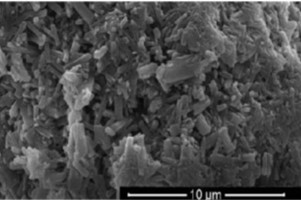
Fig.1 SEM pictures of ethylcellulose powder. (Wasilewska & Winnicka, 2019)
Frequently Asked Questions
- How is ethylcellulose prepared?
Ethylcellulose is obtained by etherification of cellulose hydroxyl groups by replacing them with ethoxy groups. During this reaction, cellulose is dissolved in an aqueous sodium hydroxide solution and its molecular structure is degraded to give basic cellulose. Next, the basic cellulose reacts with the hydroxyl functional group of cellulose. Finally, when ethyl chloride gas is added to the reaction, the products ethylcellulose, sodium chloride, and water are obtained. - What is the application of ethylcellulose?
- Since ethylcellulose is insoluble in water, it is employed mainly as a tablet binder and film coating material, etc. It is also used as a blocking agent in the preparation of various types of skeleton materials.
- Ethylcellulose can be used as a basic material for the solid lubrication of punched metal workpieces.
- In the radio industry, ethylcellulose is used as a high-grade insulating material, as well as a special film in protective coatings and as a toughness enhancer for plastics.
Advantages
- Our professional technical team with rich experience and knowledge in pharmaceutical excipient analysis provides high-quality, accurate, and reliable ethylcllulose analysis services.
- We provide custom ethylcllulose analysis solutions to meet the different analysis needs of our clients.
- Our service team consists of biologists and chemists who can continuously improve and optimize pharmaceutical excipient analysis methods to provide more accurate and efficient ethylcllulose analysis services.
With the world's leading biological and chemical technologies, CD BioGlyco provides accurate ethylcllulose analysis services to our clients. We have a team of professional scientists to help our clients analyze ethylcllulose with high efficiency and accuracy. Please feel free to contact us if you are interested in our pharmaceutical excipient analysis service, and our staff will reply to you promptly.
Reference
- Wasilewska, K.; Winnicka, K. Ethylcellulose-a pharmaceutical excipient with multidirectional application in drug dosage forms development. Materials. 2019, 12(20): 3386.
- Fatty Acid Analysis
- Omega-3 Fatty Acid Analysis
- Omega-6 Fatty Acid Analysis
- Esterified Fatty Acid Analysis
- Saturated Fatty Acid Analysis
- Straight-chain Fatty Acid Analysis
- Volatile Fatty Acid Analysis
- Cis/Trans Fatty Acid Analysis
- Whole-Cell Fatty Acid Analysis
- Free Fatty Acid Analysis
- Total Fatty Acid Analysis
- Long-chain Fatty Acid Analysis
- Short-chain Fatty Acid Analysis
- Glycosylation Inhibitor Development
- Metabolic Interconversion Inhibitor Development
- N-Glycosylation Inhibitor Development
- O-Glycosylation Inhibitor Development
- O-GalNAc Inhibitor Development
- Core 1 Inhibitor Development
- Core 2 Inhibitor Development
- Core 3 Inhibitor Development
- Core 4 Inhibitor Development
- Sialyl-Tn Antigen Inhibitor Development
- Sialyl-T Antigen Inhibitor Development
- SLex Antigen Inhibitor Development
- Blocking O-Glycan-Protein Interaction Inhibitor Development
- Capping Modification Inhibitor Development
- Postsynthetic Glycan Modification Inhibitor Development
- GAG Inhibitor Development
- GSL Inhibitor Development
- GPI Anchor Inhibitor Development
- O-GlcNAc Inhibitor Development
- Lipidomics Analysis Services
- Carbohydrate Separation, Purification and Analysis
- Carbohydrate Metabolism Analysis
- Monosaccharide Analysis Service
- Mannitol Analysis Service
- Mannose Analysis Service
- Fructose Analysis Service
- Xylose Analysis Service
- Glucose Analysis Service
- Sorbitol Analysis Service
- Galactose Analysis Service
- Fucose Analysis Service
- Arabinose Analysis Service
- Ribose Analysis Service
- Rhamnose Analysis Service
- Galacturonic Acid Analysis Service
- Glucuronic Acid Analysis Service
- Galactosamine Analysis Service
- Mannuronic Acid Analysis Service
- Guluronic Acid Analysis Service
- Mannosamine Analysis Service
- Glucosamine Analysis Service
- Muramic Acid Analysis Service
- N-Acetylglucosamine Analysis Service
- Tagatose Analysis Service
- Talose Analysis Service
- Psicose Analysis Service
- Sorbose Analysis Service
- Disaccharide Analysis Service
- Maltose Analysis Service
- Isomaltose Analysis Service
- Lactose Analysis Service
- Sucrose Analysis Service
- Trehalose Analysis Service
- Melibiose Analysis Service
- Turanose Analysis Service
- Lactulose Analysis Service
- Maltitol Analysis Service
- Lactitol Analysis Service
- Epilactose Analysis Service
- Cellobiose Analysis Service
- Allolactose Analysis Service
- Maltotriose Analysis Service
- Isomaltulose Analysis Service
- Oligosaccharide Analysis Service
- Raffinose Analysis Service
- Stachyose Analysis Service
- Mannan Oligosaccharides Analysis Service
- Xylooligosaccharide Analysis Service
- Fructooligosaccharide Analysis Service
- Galactooligosaccharide Analysis Service
- Chitooligosaccharide Analysis Service
- Arabinoxylooligosaccharide Analysis Service
- Pectic Oligosaccharide Analysis Service
- Maltooligosaccharide Analysis Service
- Isomaltooligosaccharide Analysis Service
- Polysaccharide Analysis Service
- Sea Cucumber Polysaccharide Analysis Service
- Lycium barbarum Polysaccharide Analysis Service
- Polygonatum Polysaccharide Analysis Service
- Glycogen Analysis Service
- Glucomannan Analysis Service
- Chitin/Chitosan Analysis Service
- Glucan Analysis Service
- Galactan Analysis Service
- Xylan Analysis Service
- Mannan Analysis Service
- Arabinan Analysis Service
- Rhamnan Analysis Service
- Fucoidan Analysis Service
- Galactomannan Analysis Service
- Glycosaminoglycan Analysis Service
- Monosaccharide Analysis Service
- Custom Glycosylation Service
- Sialic Acid Analysis Service
- Strategies for Sialic Acid Analysis
- Aberrant Sialylation in Cancers
- Sialic Acid Analysis in Pancreatic Cancer
- Sialic Acid Analysis in Laryngeal Cancer
- Sialic Acid Analysis in Oral Cancer
- Sialic Acid Analysis in Cholangiocarcinoma
- Sialic Acid Analysis in Cervical Cancer
- Sialic Acid Analysis in Leukemia
- Sialic Acid Analysis in Colorectal Cancer
- Sialic Acid Analysis in Lung Cancer
- Sialic Acid Analysis in Breast Cancer
- Sialic Acid Analysis in Endometrial Cancer
- Sialic Acid Analysis in Stomach Cancer
- Sialic Acid Analysis in Thyroid Cancer
- Sialic Acid Analysis in Malignant Melanoma
- Sialic Acid Analysis in Prostate Cancer
- Sialic Acid Analysis in Ovarian Cancer
- Custom Sialyl Tumor Antigen Production Service
- High-Throughput Glycan Screening Service
- HTS of Important Glycans
- HTS of Glycan Derivatives
- HTS for Glycan-Binding Proteins
- HTS for Compounds That Alter Muscle Cell Glycosylation
- HT Glycan Screening for Antibodies
- HT Glycan Screening for Glycoengineered Cell Line
- HTS for Human Galactokinase Inhibitors
- HTS for Inhibitors of Sialyl- and Fucosyltransferases
- HT Automated Micro-Permethylation for Glycan Structure Analysis
- Strategies for HT Glycan Screening
- HT Glycan Screening Using Microchip-Based Assay
- HT Glycan Screening Using Miniature Pig Kidney N-Glycan-Immobilized Beads
- HT Glycan Screening Using An Automated LC-MS-Based Solution
- HT Glycan Screening Using Mass Spectrometry
- HT Glycan Screening Using UHPLC-FLD
- HT Glycan Screening Using 19F-Labeled Probes
- HT Glycan Screening Using Hydrophilic Interaction Chromatography
- HT Glycan Screening Using MALDI-TOF-MS
- HT Glycan Screening Using CE-MS
- HT Glycan Screening Using HPLC-Based Analysis
- HT Glycan Screening Using ESI-MSn
- HT Glycan Screening Using a DNA Sequencer
- HT Glycan Screening Using Glycan Microarrays
- HT Glycan Screening Using a 96-Well Plate Platform
- Characterization of Glycosylation in Drugs
- Glycobiology of Human Milk
- Anti-glycan Antibody Development
- Lectin Production Service
- Pharmaceutical and Biological Analysis Service
- Pharmaceutical Analysis Service
- Oral Rehydration Salt Analysis Service
- Pentoxifylline and Glucose Injection Analysis Service
- Xylitol Analysis Service
- Ulinastatin Analysis Service
- Deslanoside Analysis Service
- Glycerol Fructose and Sodium Chloride Injection Analysis Service
- Josamycin Propionate Analysis Service
- Dextran Analysis Service
- Iron Dextran Analysis Service
- Capecitabine Analysis Service
- Metildigoxin Analysis Service
- Metronidazole and Glucose Injection Analysis Service
- Gadobenate Dimeglumine Injection Analysis Service
- Voglibose Analysis Service
- Inosine and Glucose Injection Analysis Service
- Heparin Calcium Analysis Service
- Heparin Sodium Analysis Service
- Acarbose Analysis Service
- Amikacin Analysis Service
- Aciclovir and Glucose Injection Analysis Service
- Streptomycin Injection Analysis Service
- Erythromycin Lactobionate Analysis Service
- Saccharated Pepsin Analysis Service
- Compound Sodium Lactate and Glucose Injection Analysis Service
- Tylosin Analysis Service
- Compound Calcium Gluconate Oral Solution Analysis Service
- Cytarabine Hydrochloride for Injection Analysis Service
- Oxystarch Analysis Service
- Glucosamine Indometacin Enteric Capsule Analysis Service
- Glucose and Sodium Chloride Injection Analysis Service
- Ferrous GIuconate Analysis Service
- Calcium Gluconate Analysis Service
- Calcium Gluconate and Sodium Chloride Injection Analysis Service
- Zinc Gluconate Analysis Service
- Sodium Stibogluconate Analysis Service
- Chlorhexidine Gluconate Analysis Service
- Sodium Stibogluconate Injection Analysis Service
- Kanamycin Sulfate Analysis Service
- Gentamicin Sulfate Analysis Service
- Isepamicin Sulfate Analysis Service
- Amikacin Sulfate Analysis Service
- Chondroitin Sulfate Sodium Analysis Service
- Etimicin Sulfate Analysis Service
- Ribostamycin Sulfate Analysis Service
- Streptomycin Sulfate Analysis Service
- Neomycin Sulfate Analysis Service
- Sucralfate Analysis Service
- Potassium Chloride and Glucose Injection Analysis Service
- Anticoagulant Citrate Dextrose Analysis Service
- Aurothioglucose Analysis Service
- Calcium Gluceptate Analysis Service
- Calcium Lactobionate Analysis
- Calcium Levulinate Analysis
- Oxidized Cellulose Analysis
- Oxidized Regenerated Cellulose Analysis
- Cellulose Sodium Phosphate Analysis
- Chlorpromazine Hydrochloride Syrup Analysis
- Clofibrate Capsule Analysis
- Copper Gluconate Analysis
- Cytarabine Analysis
- Dextrose Analysis
- Diatrizoate Meglumine Analysis
- Digitoxin Analysis
- Digoxin Analysis
- Dihydrostreptomycin Sulfate Analysis
- Dirithromycin Analysis
- Enoxaparin Sodium Analysis
- Erythromycin Analysis
- Erythromycin Estolate Analysis
- Erythromycin Ethylsuccinate Analysis
- Sterile Erythromycin Gluceptate Analysis
- Ferrous Sulfate Syrup Analysis
- Fludeoxyglucose F 18 Injection Analysis
- Beta Glucan Analysis
- Gentamicin and Prednisolone Acetate Ophthalmic Ointment Analysis
- Gluconolactone Analysis
- Heparin Lock Flush Solution Analysis
- Anticoagulant Heparin Solution Analysis
- Hyaluronidase Injection Analysis
- Iodipamide Meglumine Injection Analysis
- Iron Sorbitex Injection Analysis
- Iron Sucrose Injection Analysis
- Magnesium Gluconate Analysis
- Manganese Gluconate Analysis
- Meglumine Analysis
- Natamycin Analysis
- Quinidine Gluconate Analysis
- Sisomicin Sulfate Analysis
- Sodium Gluconate Analysis
- Biological Evaluation
- Typhoid Vaccine Evaluation
- RNA-Cell Binding Interaction Analysis Services
- Group A Meningococcal Polysaccharide Vaccine Evaluation
- Off-Target Activity Assessment Service
- 23-Valent Pneumococcal Polysaccharide Vaccine Evaluation
- Conjugate Potency Assay Service
- H. influenzae Type b Conjugate Vaccine Evaluation
- ADME Profiling Service
- Poliomyelitis Vaccine in Dragee Candy Evaluation
- Human Hepatitis B Immunoglobulin Evaluation
- Human Rabies Immunoglobulin Evaluation
- Human Tetanus Immunoglobulin Evaluation
- Human Immunoglobulin Evaluation
- Anti-human T Lymphocyte Rabbit Immunoglobulin Evaluation
- Human Fibrinogen Evaluation
- Human Thrombin Evaluation
- Conbercept Ophthalmic Injection Evaluation
- BCG-PPD Evaluation
- BR-PPD Evaluation
- Pharmaceutical Excipient Analysis
- Ethylcellulose Analysis Service
- Sucralose Analysis
- Wheat Starch Analysis
- Potato Starch Analysis
- Tapioca Starch Analysis
- Maize Starch Analysis
- Compressible Sugar Analysis
- Soluble Starch Analysis
- Methylcellulose Analysis
- Guar Gum Analysis
- Tragacanth Analysis
- Croscarmellose Sodium Analysis
- Cellacefate Analysis
- Maltodextrin Analysis
- Low-substituted Hydroxypropyl Cellulose Analysis
- Alpha Cyclodextrin Analysis
- Beta Cyclodextrin Analysis
- Gamma Cyclodextrin Analysis
- Arabino Galactan Analysis
- Acacia Analysis
- Pectin Analysis
- Powdered Cellulose Analysis
- Alginic Acid Analysis
- Sodium Alginate Analysis
- Pregelatinized Hydroxypropyl Starch Analysis
- Pregelatinized Starch Analysis
- Xanthan Gum Analysis
- Steviol Glycoside Analysis
- Hydroxyethyl Cellulose Analysis
- Hypromellose Analysis
- Hydroxypropyl Cellulose Analysis
- Hydroxypropyl Betadex Analysis
- Vacant HydroxypropyI Starch Capsule Analysis
- Dextrate Analysis
- Agar Analysis
- Calcium Saccharate Analysis
- Caramel Analysis
- Pullulan Analysis
- Microcrystalline Cellulose Analysis
- Carboxymethylcellulose Calcium Analysis
- Carboxymethylcellulose Sodium Analysis
- Sodium Starch Glycolate Analysis
- Polydextrose Analysis
- Sucrose Octaacetate Analysis
- Sugar Sphere Analysis
- Sucrose Stearate Analysis
- Pea Starch Analysis
- Cellulose Acetate Analysis
- Hypromellose Acetate Succinate Analysis
- Dextrin Analysis
- Sodium Starch Phosphate Analysis
- Gellan Analysis
- Hyaluronan Analysis
- Pharmaceutical Analysis Service
- Carbohydrate-based Biodegradable Material Development
- Monosaccharide-based Biodegradable Material Development
- Disaccharide-based Biodegradable Material Development
- Oligosaccharide-based Biodegradable Material Development
- Polysaccharide-based Biodegradable Material Development
- Cellulose-based Biodegradable Material Development
- Starch-based Biodegradable Material Development
- Chitosan-based Biodegradable Material Development
- Dextran-based Biodegradable Material Development
- Hyaluronic Acid-based Biodegradable Material Development
- Other Polysaccharide-based Biodegradable Material Development
- Modification of Biodegradable Polysaccharide
- Characterization of Polysaccharide-based Biodegradable Material
- Applications of Polysaccharide-based Biodegradable Material
- Glycobiology Disease Model Development Service
- Techniques for In Vivo Glycobiology Disease Model Development
- Gene Editing-based In Vivo Glycobiology Disease Model Development Service
- Transgenic-based In Vivo Glycobiology Disease Model Development Service
- Embryo Implantation and Cultivation-based In Vivo Glycobiology Disease Model Development Service
- Selective Breeding-based In Vivo Glycobiology Disease Model Development Service
- Gene Expression-based In Vivo Glycobiology Disease Model Development Service
- Glycobiology Disease Model Construction Service
- Custom In Vivo Glycobiology Disease Model Service
- In Vivo Glycobiology Disease Model Screening Service
- In Vitro Glycobiology Disease Model Screening Service
- HeLa Cells-based In Vivo Screening Service
- 3T3-L1 Cells-based In Vitro Screening Service
- Muscle Cells-based In Vitro Screening Service
- Hepatocyte-based In Vitro Screening Service
- Insulin Target Cells-based In Vitro Screening Service
- Intestinal Cells-based In Vitro Screening Service
- THP-1 Monocyte-based In Vitro Screening Service
- Vero Cells-based In Vitro Screening Service
- Techniques for In Vivo Glycobiology Disease Model Development
- Fatty Acid Analysis


